November 12, 2026
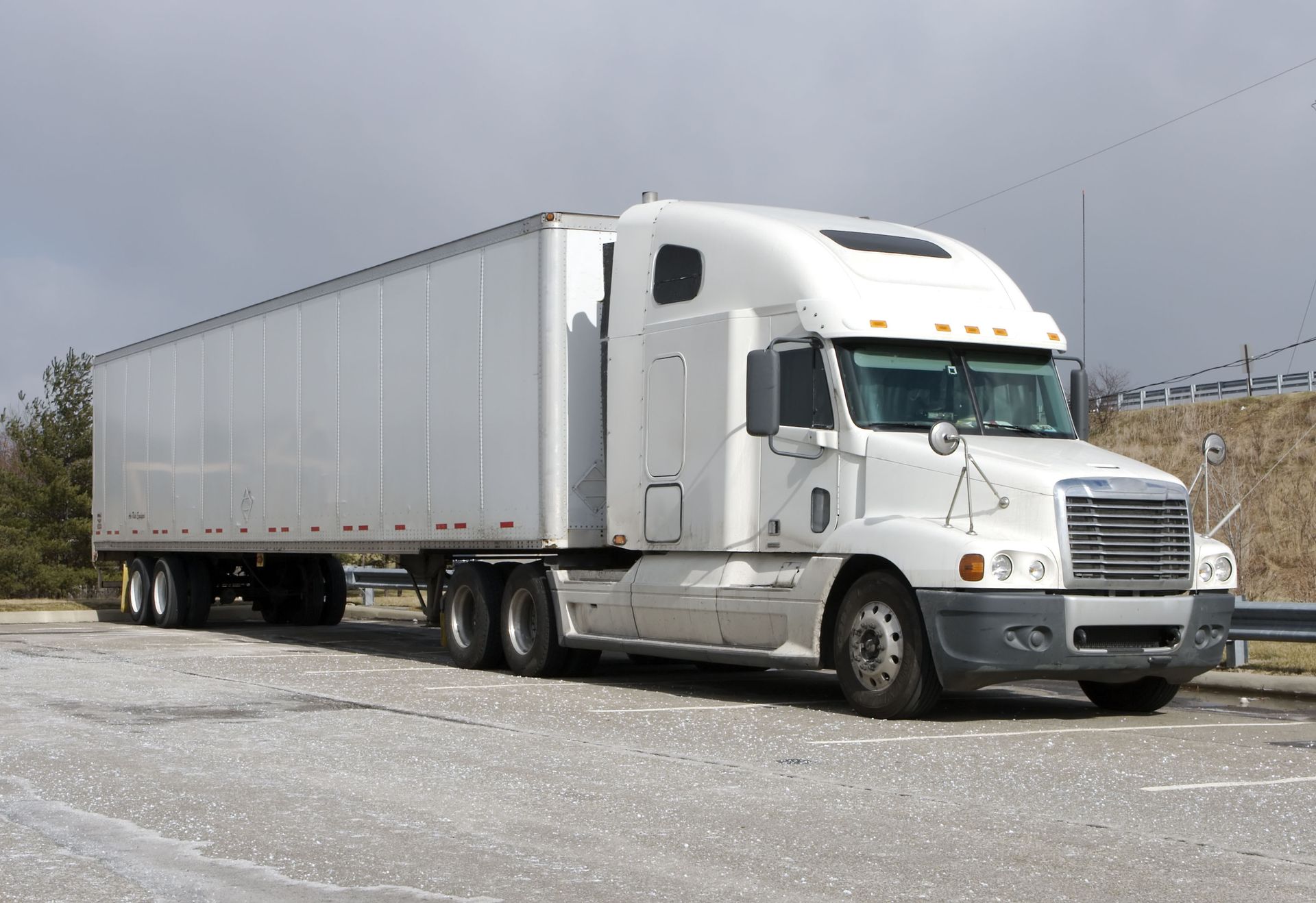
The safety and efficiency of highway transportation are critical for commerce and public welfare. Semi trucks and commercial trailers, as substantial components of freight traffic, operate under rigorous mechanical demands. Timely and effective semi truck trailer repair services significantly mitigate hazards on public roads. According to Consumer Shield, the U.S. records between 140,000 and 165,000 semi-truck accidents annually. Understanding the direct relationship between dedicated maintenance and transit safety allows drivers, dispatchers, and fleet managers to reduce roadway incidents and maintain dependable supply chains.
Heavy commercial combinations log thousands of transit miles each week, transporting essential goods through challenging road conditions and dense commuter corridors. Without strict mechanical oversight, the relentless physical stress placed on haulers quickly leads to component fatigue, compromising vehicle control and emergency stopping performance. Committing to systematic trailer inspections and timely interventions creates a reliable defense against transit failures, ensuring that heavy equipment safely integrates with surrounding traffic across the United States.
Critical Highway Safety
Prioritize Routine Maintenance
Routine maintenance of semi trailers is vital to prevent mechanical failures that could lead to severe collisions. On high-speed interstate corridors, mechanical failures carry extreme consequences due to the gross weight of loaded commercial combinations. Regular, planned semi truck trailer repair services ensure that freight equipment remains in roadworthy condition. This proactive work substantially reduces the risk of component failures that cause accidents.
Structured inspection protocols form the foundation of preventive care. Early detection identifies minor component wear before it develops into an operational hazard. Standard inspections must cover pneumatic brake systems, suspension components, wheel-end assemblies, and structural chassis points. Adhering to regular inspection routines also ensures compliance with commercial vehicle safety regulations, preventing costly safety violations and keeping equipment out of roadside enforcement shutdowns.
Proactive maintenance delivers clear financial benefits for transportation companies across the United States. While scheduled service involves dedicated budget planning, it costs significantly less than handling emergency highway breakdowns, heavy-duty towing, or freight claims. Consistent care preserves equipment longevity, limits premature trade cycles, and minimizes unscheduled downtime so fleets can preserve revenue and operational stability.
Essential Mechanical Upkeep
Maintain Core Mechanical Systems
Brake system upkeep is among the most critical mechanical services for commercial trailers. Managing the momentum of loaded dry vans, reefers, and flatbeds requires immediate, balanced stopping power. Regular inspections and servicing of brake shoes, drums, chambers, slack adjusters, and air delivery lines prevent catastrophic brake fade or locked wheels. These specialized semi truck trailer repair services protect both the commercial driver and the surrounding traffic.
Electrical and lighting maintenance is equally vital for highway safety and compliance. Commercial trailers rely on continuous electrical feeds for clearance markers, turn indicators, brake lamps, and anti-lock braking systems. Road vibrations and exposure to weather cause frayed harnesses, corroded connection pins, and burned-out lighting units. Regular electrical troubleshooting and component replacements ensure proper signaling, keeping trailers visible in heavy traffic, fog, or night driving conditions.
Frame and chassis integrity is essential for safe freight transport. Trailers endure continuous torsional stress, shifting cargo weights, and rough pavement. These forces can cause cracked welds, bent cross members, and weakened suspension sub-frames. Addressing structural fatigue early through professional metal fabrication and frame alignment ensures the entire assembly carries its rated load safely without buckling on the highway.
Deploy Advanced Mobile Solutions
Beyond basic wear items, specialized mechanical tasks such as spindle and axle reconditioning are fundamental to wheel-end stability. Bearing failure, inadequate lubrication, or excessive road impact can damage spindle threads, bearing shoulders, and axle tubes. Precision machining and spindle repair restore wheel ends to correct manufacturer tolerances. These repairs prevent wheel separation and uneven tire wear without requiring complete axle replacements.
Mobile repair units and dedicated roadside support serve as a key operational safeguard for carriers. Rather than operating damaged equipment over open roads to reach a distant facility, fleets can utilize mobile semi truck trailer repair services dispatched directly to terminals, distribution yards, or breakdown locations. Equipped with power tools, replacement hardware, and diagnostic equipment, mobile technicians can resolve air line leaks, wheel-end issues, and door latch failures directly on site.
Professional repair facilities provide the heavy tooling necessary to repair structural collision damage, bent trailer rails, and warped body panels. Certified welding across steel and aluminum alloys allows repair teams to reinforce cross members, replace outer skins, and realign landing gear assemblies. These comprehensive structural repairs preserve the outer envelope and load capacity of the trailer.
Strategic Incident Prevention
Prevent Costly Roadside Failures
Examining common fleet scenarios highlights how timely mechanical service directly prevents highway hazards. In one scenario, a routine terminal inspection identified severe heat cracking and uneven lining wear on a tandem-axle brake set. Replacing the friction material, turning the drums, and resetting the automatic slack adjusters eliminated the risk of complete brake loss on steep highway grades. This quick action ensured that the vehicle remained completely safe for interstate travel.
In another instance, an electrical diagnostic resolved an intermittent short affecting a dry van trailer clearance lighting circuit. Technicians located an internal wire harness that had rubbed against the upper coupler frame, causing circuit failure during wet driving conditions. Inspecting the surrounding conduit also revealed moisture buildup that threatened adjacent marker lights and brake signal feeds. Repairing the harness and sealing the junction points restored total visibility for nighttime transit. Addressing the wiring quickly prevented citations and reduced collision hazards during poor weather conditions.
Structural inspections also yield clear safety advantages for commercial operators. A routine frame check on a loaded flatbed revealed hairline fractures forming along an I-beam flange near the front landing leg. Applying reinforcing gussets and structural steel welding stabilized the frame, preventing what could have resulted in structural sagging or frame separation during loaded transport. Fleet managers avoided catastrophic cargo loss through prompt semi truck trailer repair services.
Manage Daily Fleet Demands
Balancing service expenditures with active freight schedules is an ongoing operational challenge. Unplanned breakdowns disrupt shipping commitments, damage customer relationships, and generate high roadside repair costs. Establishing structured preventive maintenance schedules enables fleet operators to address component wear during planned terminal dwell times rather than dealing with roadside emergencies. This approach yields predictable expenses and improves fleet reliability.
Minimizing equipment downtime requires responsive, capable service partners. Every hour a trailer sits idle out of service reduces operational capacity and impacts revenue. Establishing strong relationships with dedicated mechanics allows managers to streamline work orders, accelerate turnaround times, and secure dependable roadside support when urgent issues arise. Working with full-service commercial trailer facilities that combine in-shop frame alignment, structural welding, and mobile field support gives fleet operators the resources they need. These professional semi truck trailer repair services keep equipment safe, compliant, and consistently moving.
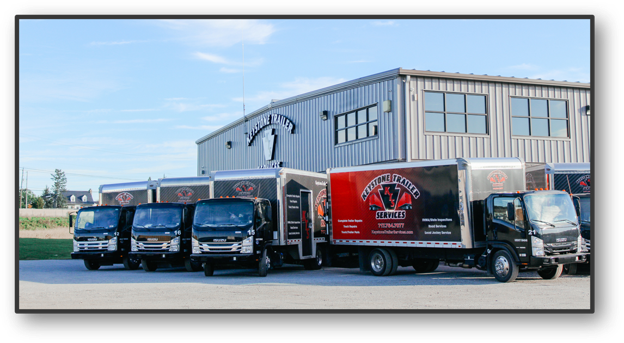
Proactive fleet maintenance and professional trailer repair are essential investments in highway safety, protecting both valuable cargo and the motorists sharing the road. Addressing everything from wheel-end alignment and suspension wear to critical structural integrity ensures commercial equipment remains dependable under demanding hauling conditions. Whether your operation relies on routine yard servicing, precision metal fabrication, or rapid mobile breakdown assistance across Pennsylvania and Maryland, partnering with seasoned specialists keeps your drivers safe and your logistics on schedule. You can rely on our skilled team to handle challenging structural issues and urgent mechanical demands. Contact Keystone Trailer Services, Inc to learn more about comprehensive semi truck trailer repair services tailored to your fleet.